There are a number of US nuclear warheads that even long after they were retired, we still do not have public images of. Some examples of weapons that actually entered service include the W50 (Pershing 1 SRBM), the W52 (Sergeant tactical missile), W66 (Sprint terminal ABM missile) and W69 (SRAM air-to-surface missile). The list gets longer if we also include weapons that were assigned a number but never entered service.
Of the given examples, the W50 and W69 warheads are perhaps the most unusual. Both were produced in large numbers and saw service for many years, but throughout that time no actual images of the warheads were ever released, either by mistake or through official channels. Since both were retired at the end of the Cold War, no images have been uncovered either, other than some extremely poor quality and washed-out images of some W50 test units on OpenNet.
For the last year or so, I have been closely following the Flickr page of the San Diego Air & Space Museum as they digitise photographs from Convair’s historical archives. They were first brought to my attention when images of W84 mock-ups appeared in the Convair collection. Since then, all manner of W84 and W80 mock-ups have appeared, including a few images of the equipment used to press fit the W80 into Tomahawk
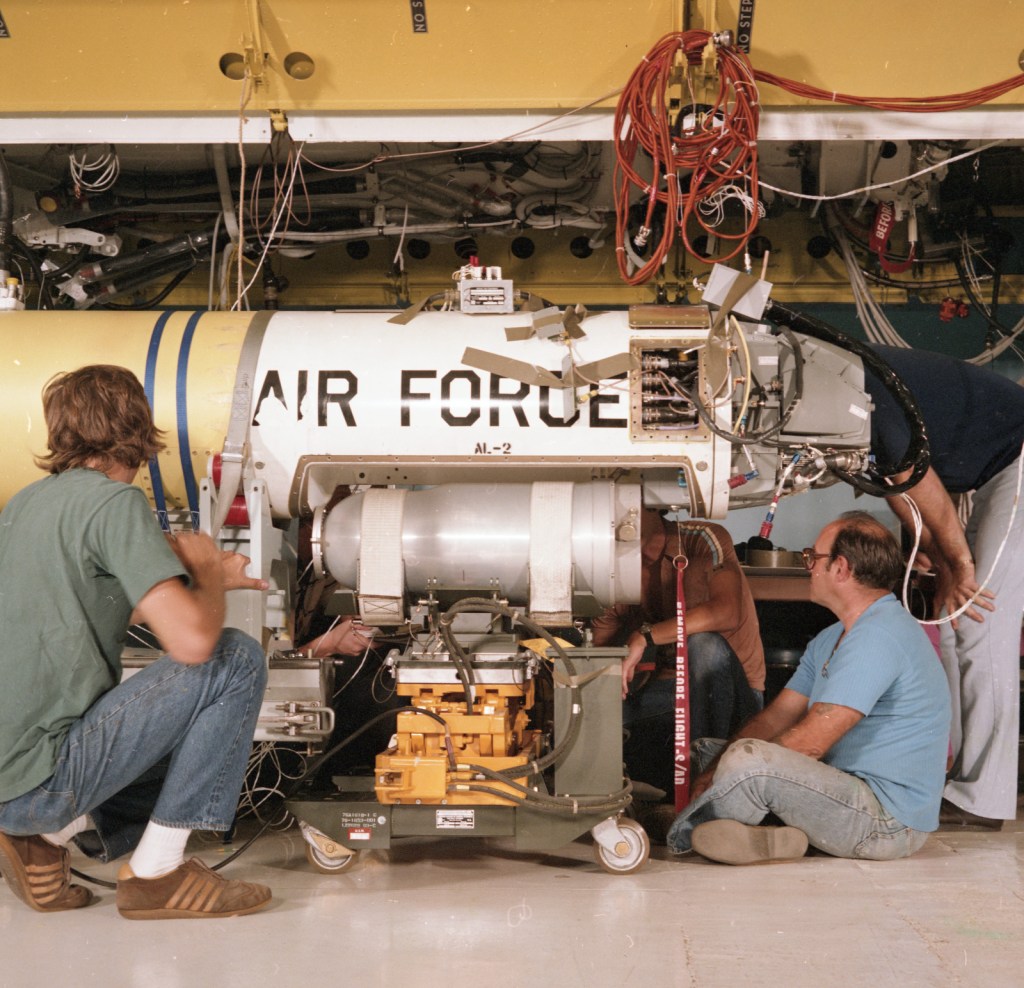
Figure 1 — W80 inert flight test unit is loaded into an air force Tomahawk.[1] Tomahawk at one point competed with the missile that was adopted as the AGM-86 in the Air-Launched Cruise Missile program.
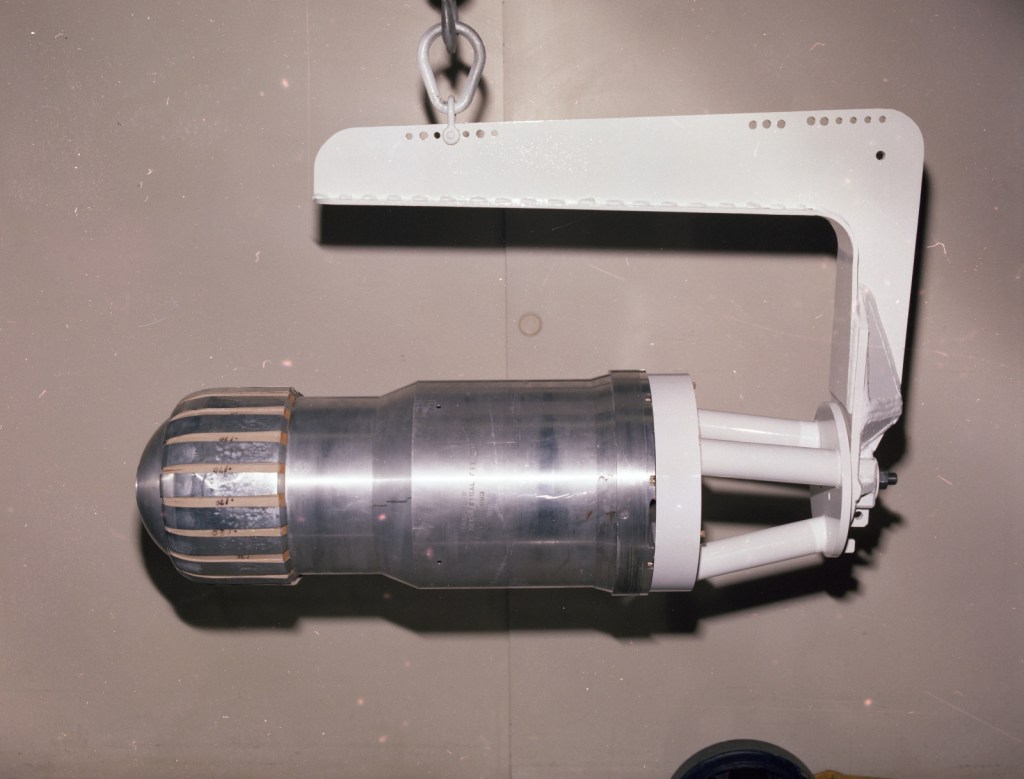
Figure 2 — Early W80 protype test fit mock-up with some odd proportions and made from machined stainless steel.[2]

Figure 3 — Rough early W84 mock-up.[3]

Figure 4 — W80 warhead and ramming gear to press fit the warhead into navy Tomahawk.[4] I understand that this loading layout was to meet shock-hardening requirements. The W84 was loaded in a similar manner into GLCM.
But what recently caught my eye were some photos of a very odd-looking warhead being fitted to a Tomahawk.

Figure 5 — Odd warhead being fitted to Tomahawk.[5]
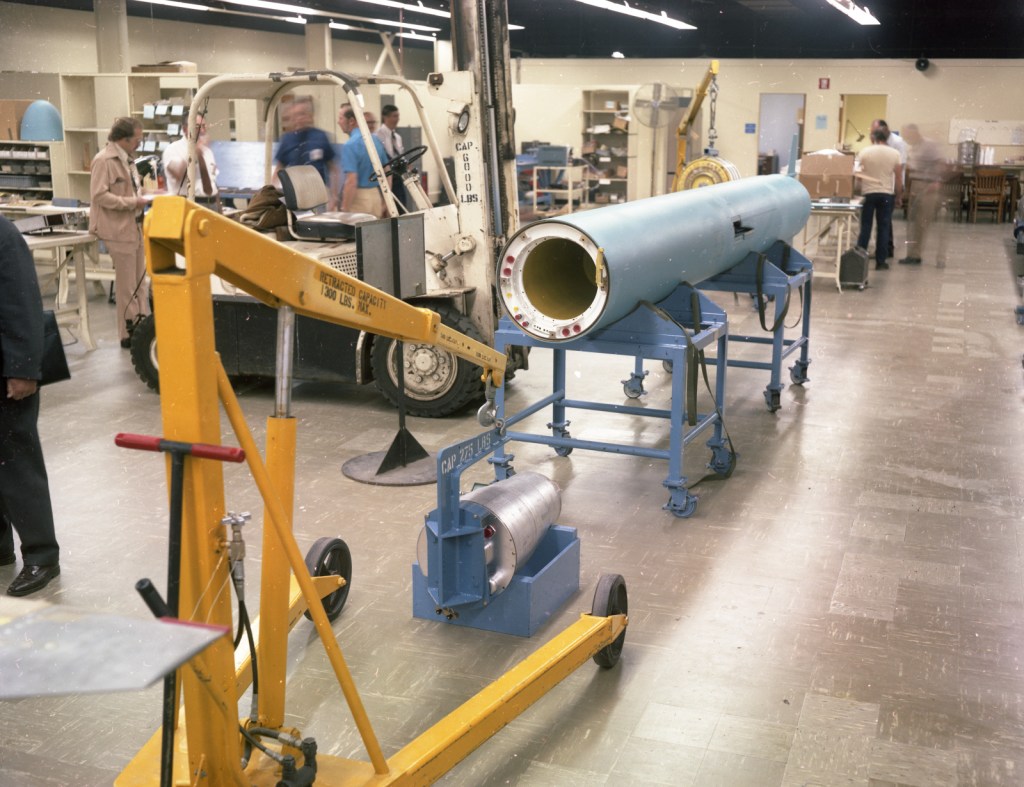
Figure 6 — Odd warhead before lifting.[6]
My first thought was “Wow, it’s a wacky early W80 prototype mock up!”, but if you look closely, you can see that doesn’t quite fit. The warhead is rough and a bit worn, it seems to have rust staining on it, and it has quite complex geometry, but if it’s an early mock-up, why not make it the easy way like seen the rough W84 mock up above?
It seems more like a mock up that is being reused from an older program.
The warhead lifting bracket lists a capacity of 275 lb (125 kg). Obviously, that does not mean the object it is carrying is actually 275 lb, but the brackets are specialised item, normally designed for a single warhead type, and the W69 SRAM warhead had a weight of 275 lb.[7, p. 117]
We can take some measurements too, knowing the diameter of Tomahawk is 520mm, and I calculated the warhead’s diameter to be about 380 mm. The W69’s diameter is about 15 inches, or 381mm.[8] This is well within any margin of error for measurement from a photo.
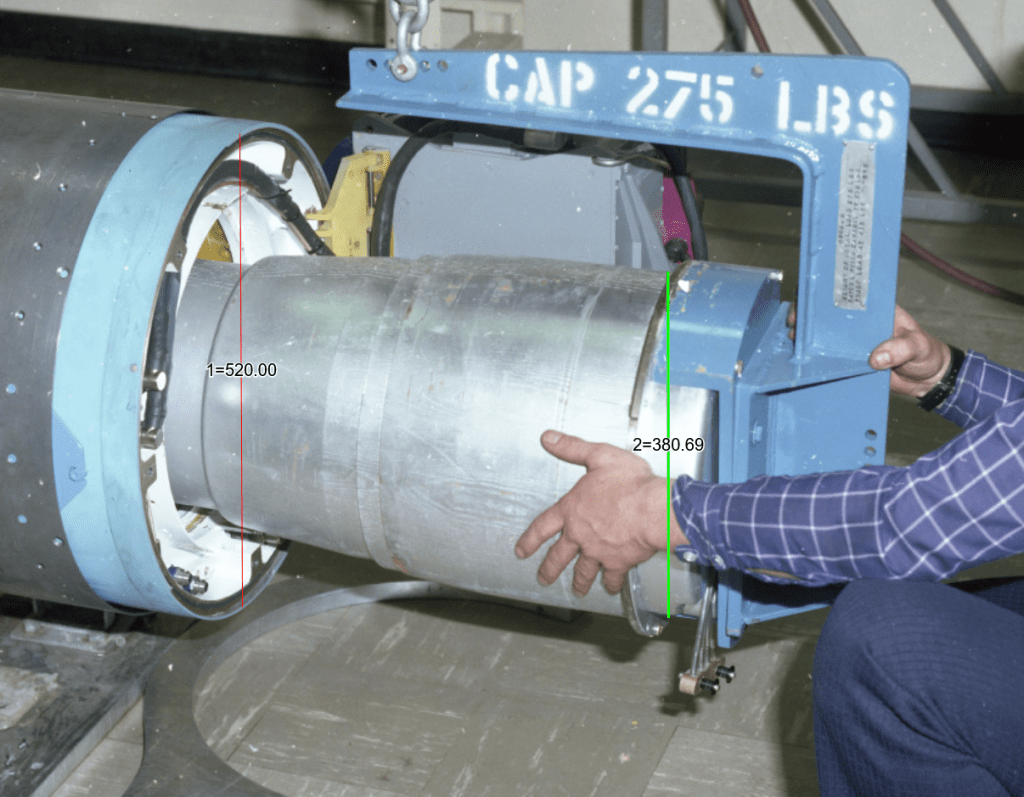
Figure 7 — Rough measurements of the warhead’s diameter knowing that the Tomahawk is 520mm in diameter.
So, if this is a W69 warhead — a warhead that was only ever used on SRAM — why is it being fitted to a Tomahawk from the Sea-Launched Cruise Missile (SLCM) program?
My best guess is that early in the SLCM program’s life, the W69 warhead was going to be the warhead used on the missile. Being a cruise missile, it has a similar flight profile to SRAM, and therefore the environmental sensing devices in the arming system in the W69 are likely compatible with minimal or no modification.
I have found some hints of this in official documents. For example, early diagrams of the two proposed missiles — one by Convair/General Dynamics and the other by Vought Systems — shows very conical warhead compartments like those that would fit the W69.[9, pp. 5230–5231]
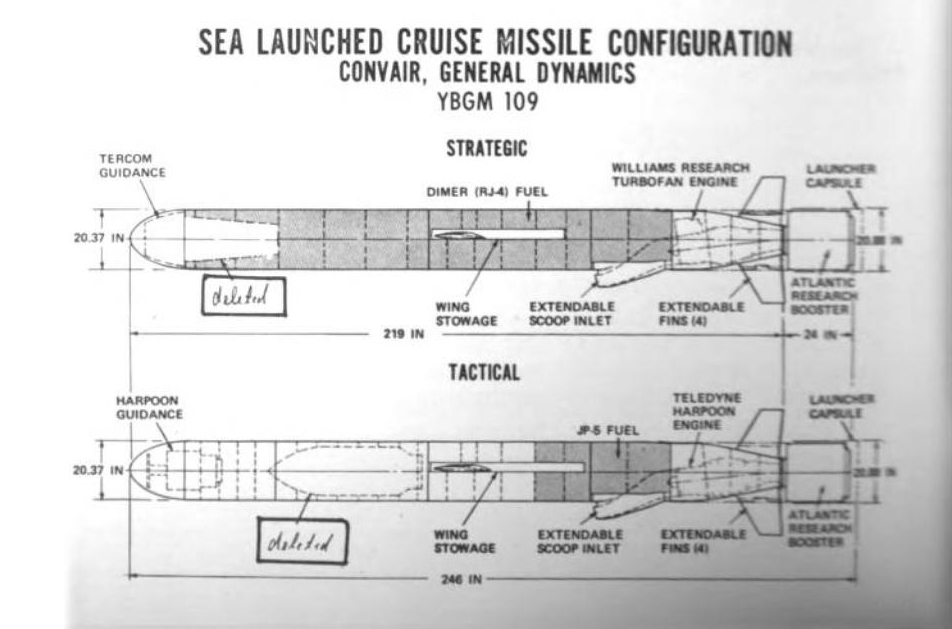
Figure 8 — Convair/General Dynamics proposals for the SLCM program.[9, p. 5230]
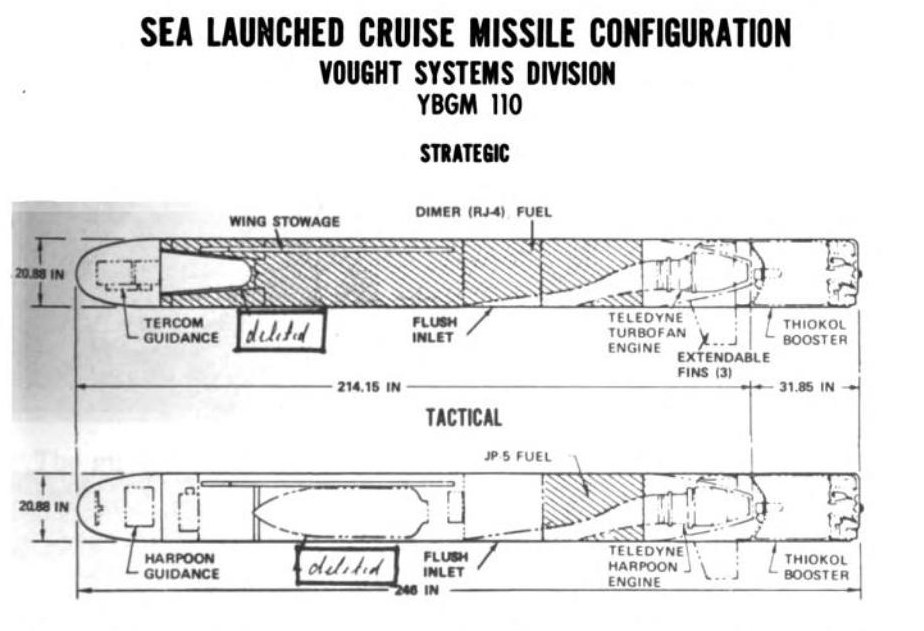
Figure 9 — Vought Systems proposal for the SLCM program.[9, p. 5231]
The warhead section for SRAM is similarly very conical:
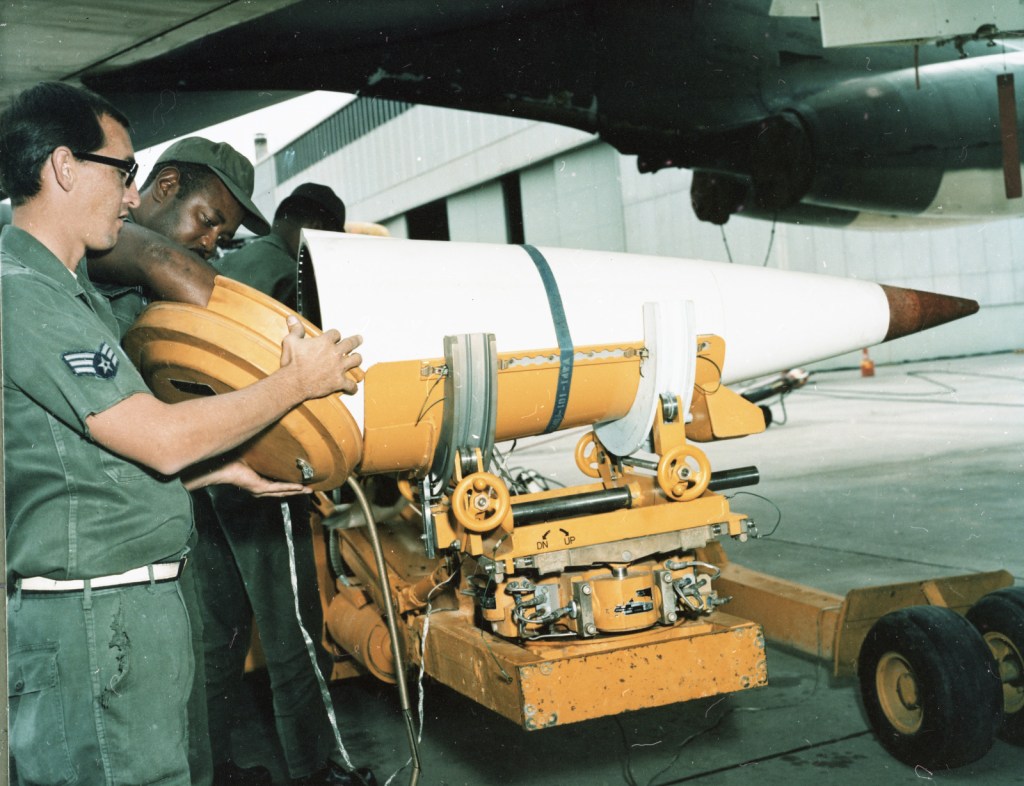
Figure 10 – SRAM warhead section.[10] A fuze existed in the tip of the section and warhead behind it.
1977 appropriation hearings describe how SRAM and W69 warhead production was halted in 1976 with the intention of restarting production in 1980 to supply missiles to the B-1 Lancer program (SRAM-B).[11, p. 1076] Reading between the lines, it seems that SLCM and ALCM program were going to piggy back off SRAM-B for warheads. But this was at the time when the standards for nuclear warhead safety started to change and the W69 was no longer acceptable for either SRAM or any cruise missile program. The military were therefore requesting an improved SRAM warhead with IHE and other safety improvements.[11, pp. 1112–1113]
In the same series of images is one that shows the rocket booster motor. The manufacture date is December 1975. Speculatively, I don’t think that they would have kept a large supply of these rocket motors on hand during prototype tests, therefore, I think we can assume that this photo is from shortly after the rocket motor was made i.e. early 1976.
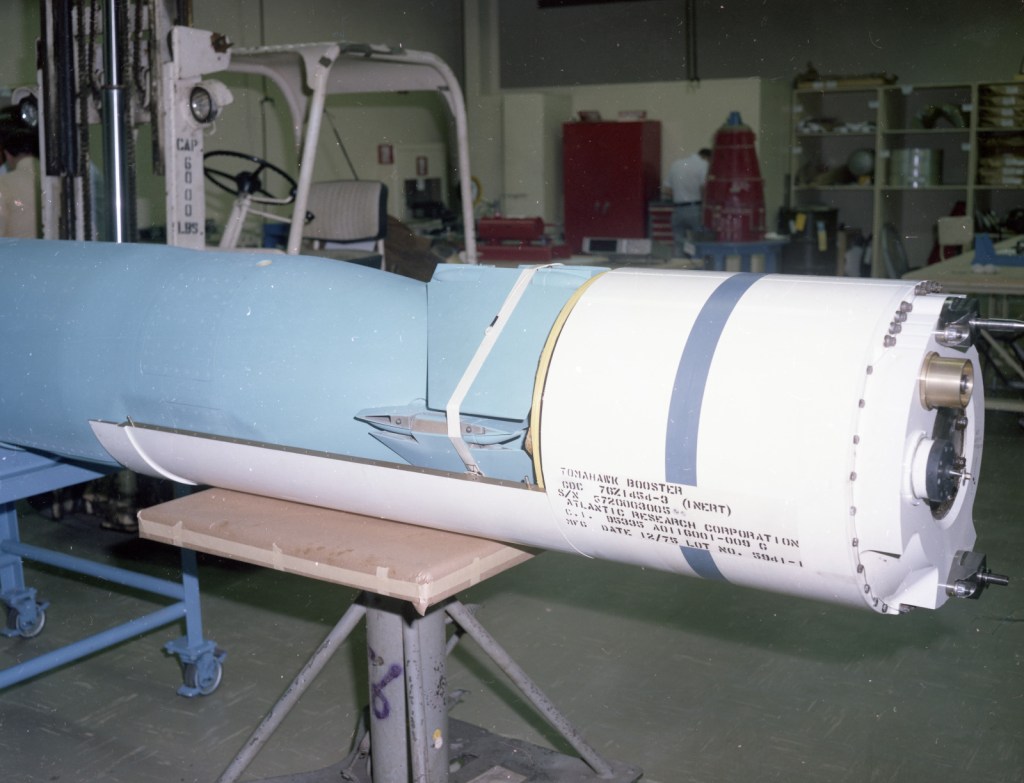
Figure 11 — Rocket booster for Tomahawk dated December 1975.[12]
One possible way to better confirm that this is a W69 I have attempted to follow up regards these tubes on the back of the warhead.
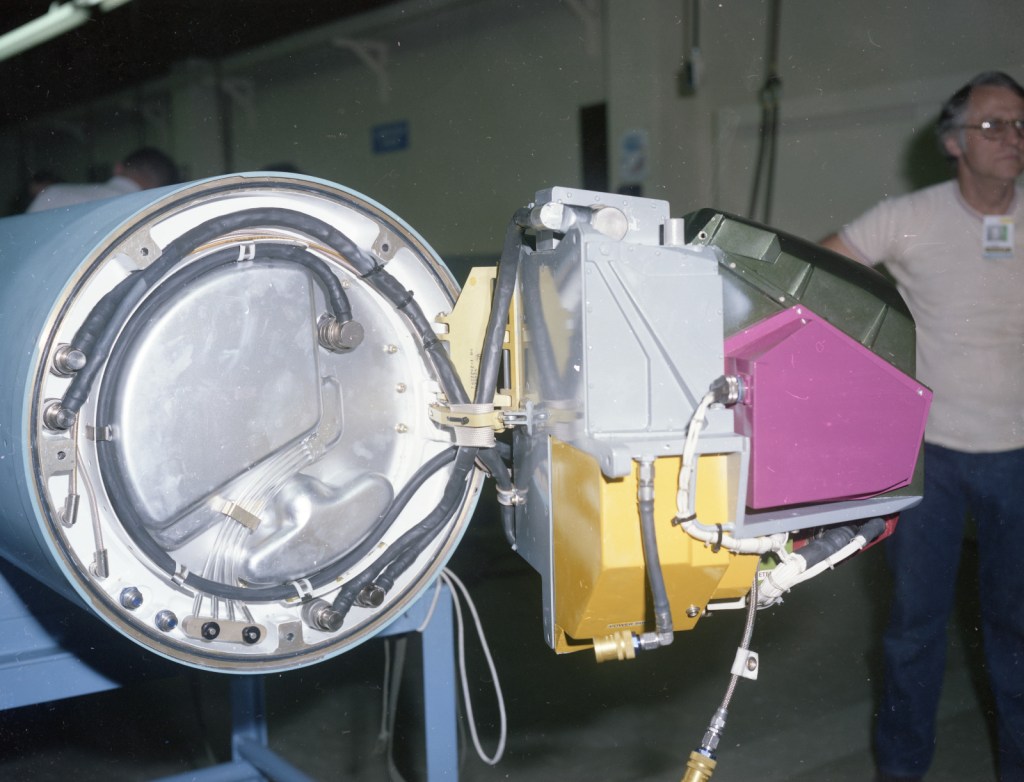
Figure 12 — Tubes on the warhead cover plate.[13]
My suspicion is that these are for either a pitot tube or barometric sensor based arming mechanism. If I could find evidence such a system is used in SRAM then it would be further evidence that this is a W80 warhead, but I have had no luck.
Based on the above, I strongly believe that this is an image of a W69 warhead, but I can’t definitively prove it.
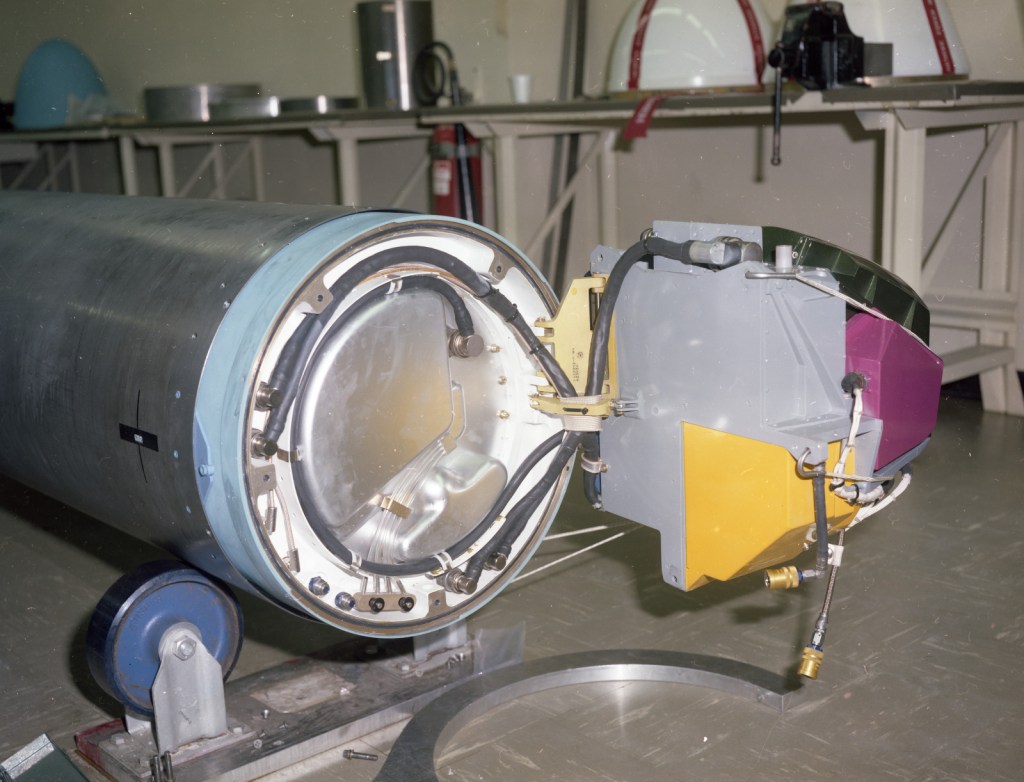
There are some more mildly interesting images in this series. One showing the warhead cavity and another showing the back of the TERCOM radar with the warhead in the background.

Figure 13 – Warhead cavity.[14]
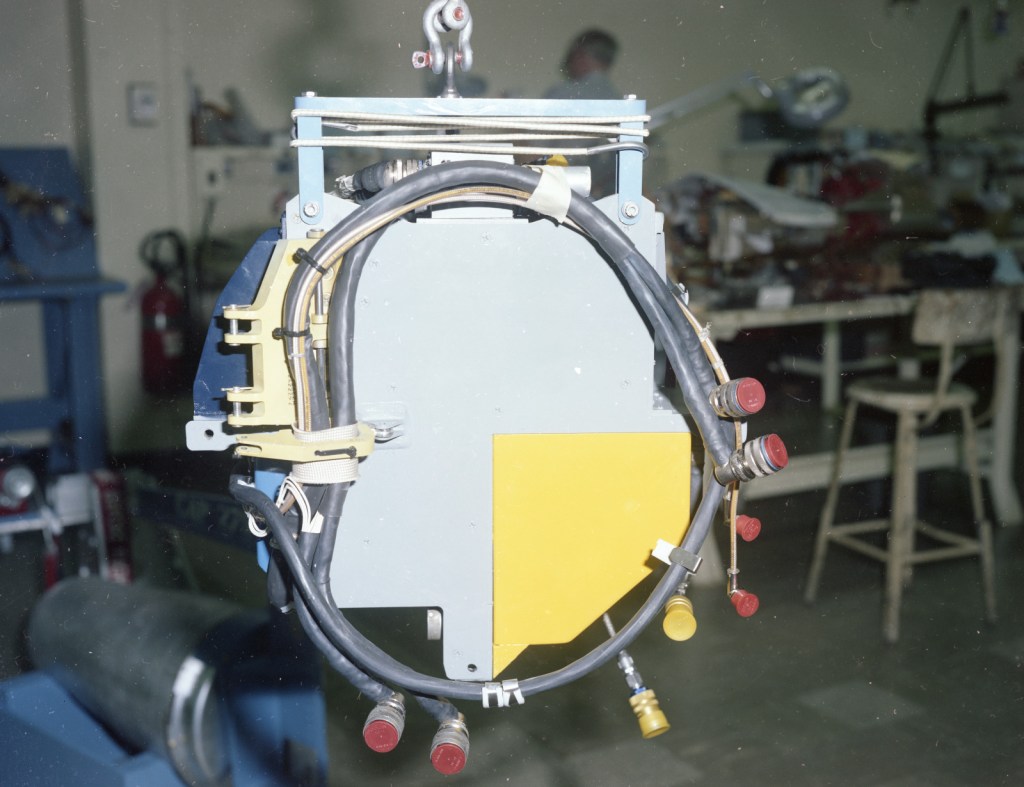
Figure 14 – Back of TERCOM guidance with warhead in background.[15]
There are quite a few neat images in the Convair archive, but they are no easy to find. The archive is not organised in any way and as of writing contains 85,156 images. Good luck to those intrepid archive crawlers! You are going to need it.
References
[1] S. Archives, 23_0033541 Convair Negative Image. 2024. Accessed: Mar. 17, 2024. [Photo]. Available: https://www.flickr.com/photos/sdasmarchives/53587985410/
[2] S. Archives, 23_0045856 Convair Negative Image. 2024. Accessed: Jun. 23, 2024. [Photo]. Available: https://www.flickr.com/photos/sdasmarchives/53806549099/
[3] S. Archives, 23_0047406 Convair Negative Image. 2024. Accessed: Jun. 30, 2024. [Photo]. Available: https://www.flickr.com/photos/sdasmarchives/53822183805/
[4] S. Archives, 23_0035723 Convair Negative Image. 2024. Accessed: Apr. 27, 2024. [Photo]. Available: https://www.flickr.com/photos/sdasmarchives/53615685997/
[5] S. Archives, 23_0081860 Convair Negative Image. 2025. Accessed: Apr. 13, 2025. [Photo]. Available: https://www.flickr.com/photos/sdasmarchives/54445074399/
[6] S. Archives, 23_0081882 Convair Negative Image. 2025. Accessed: Apr. 14, 2025. [Photo]. Available: https://www.flickr.com/photos/sdasmarchives/54445255130/
[7] Chuck Hansen, Swords of Armageddon, vol. VI, 7 vols. 2007.
[8] Carey Sublette, ‘List of All U.S. Nuclear Weapons’, Nuclear Weapon Archive. Accessed: Jun. 24, 2022. [Online]. Available: http://nuclearweaponarchive.org/Usa/Weapons/Allbombs.html
[9] Hearings Before and Special Reports Made by Committee on Armed Services of the House of Representatives on Subjects Affecting the Naval and Military Establishments – Appropriations for Fiscal Year 1976 and 197T. U.S. Government Printing Office, 1975.
[10] S. Archives, 23_0057519 Convair Negative Image. 2024. Accessed: Sep. 08, 2024. [Photo]. Available: https://www.flickr.com/photos/sdasmarchives/53975473798/
[11] Public Works for Water and Power Development and Energy Research Appropriation Bill, 1977: Hearings Before a Subcommittee of the Committee on Appropriations, House of Representatives, Ninety-fourth Congress, Second Session. U.S. Government Printing Office, 1976.
[12] S. Archives, 23_0081870 Convair Negative Image. 2025. Accessed: Apr. 14, 2025. [Photo]. Available: https://www.flickr.com/photos/sdasmarchives/54445255230/
[13] S. Archives, 23_0081871 Convair Negative Image. 2025. Accessed: Apr. 13, 2025. [Photo]. Available: https://www.flickr.com/photos/sdasmarchives/54444887851/
[14] S. Archives, 23_0081869 Convair Negative Image. 2025. Accessed: Jun. 15, 2025. [Photo]. Available: https://www.flickr.com/photos/sdasmarchives/54445126883/
[15] S. Archives, 23_0081873 Convair Negative Image. 2025. Accessed: Jun. 15, 2025. [Photo]. Available: https://www.flickr.com/photos/sdasmarchives/54445126868/
 Super Octopus